
At GMEC, we specialise in supporting offshore wind developers with strategic engineering and project delivery services, built on decades of experience across more than 17 utility-scale wind farm projects. As a company founded by civil, marine, and structural engineers with deep sector expertise, we offer a uniquely informed perspective on project risk, delivery models, and technical planning. Our role extends beyond engineering consultancy; we work as trusted partners to help our clients manage uncertainty, compare delivery strategies, and make informed investment decisions in the evolving offshore wind sector.
In recent years, the offshore wind industry has experienced a shift in how risk is managed, allocated, and mitigated. While the traditional Engineering, Procurement, Construction, and Installation (EPCI) model offers consolidated responsibility, it has raised concerns regarding the robustness of delivery, flexibility in execution, and cost transparency. As offshore wind farms scale in size and complexity, project stakeholders must make informed choices on whether to pursue a full EPCI contract or adopt a multi-package approach.
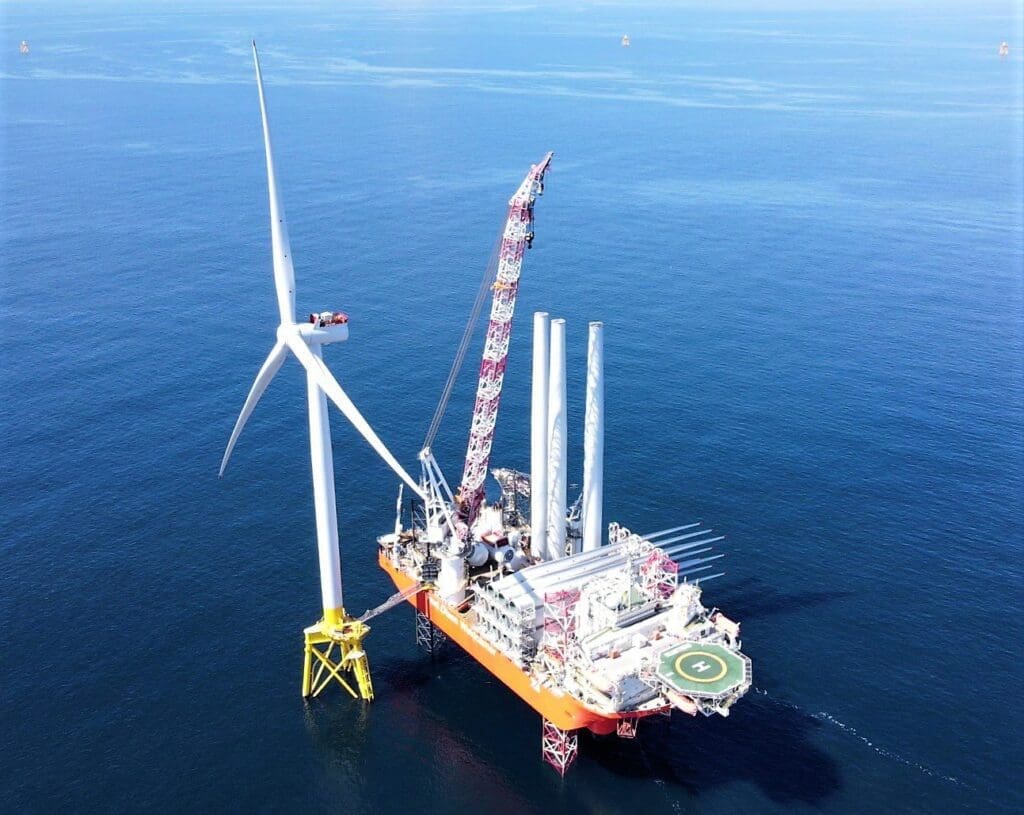
In recent years, the offshore wind industry has experienced a shift in how risk is managed, allocated, and mitigated. While the traditional Engineering, Procurement, Construction, and Installation (EPCI) model offers consolidated responsibility, it has raised concerns regarding the robustness of delivery, flexibility in execution, and cost transparency. As offshore wind farms scale in size and complexity, project stakeholders must make informed choices on whether to pursue a full EPCI contract or adopt a multi-package approach.
EPCI stands for Engineering, Procurement, Construction, and Installation. In this delivery model, the EPCI contractor assumes responsibility. In theory, this reduces the developer’s exposure to interface risks as there are less work packages to manage. Still, it can limit control, escalate costs, and introduce multiple risks when contractors protect their margins while offloading risks to the owner.
This approach can be problematic in offshore wind farms, particularly in regions with deeper water and challenging ground conditions. If the contractor cannot deliver on scope or encounters delays. Other examples show that similar issues arise where contractual non-performance leads to significant financial exposure.
Compared to EPCI, a multi-package approach divides the project into more discrete packages (e.g., turbine supply, turbine installation vessel, foundation design, foundation fabrication, foundation transport, foundation installation, grid connection), each tendered and managed independently. While this model demands a larger in-house team and more robust coordination, it can offer improved cost control, clearer risk ownership, and increased flexibility.
GMEC delivers comparative EPCI and multi-package risk assessments tailored to offshore wind projects. Our service includes qualitative and quantitative assessment of project risk, covering areas such as:
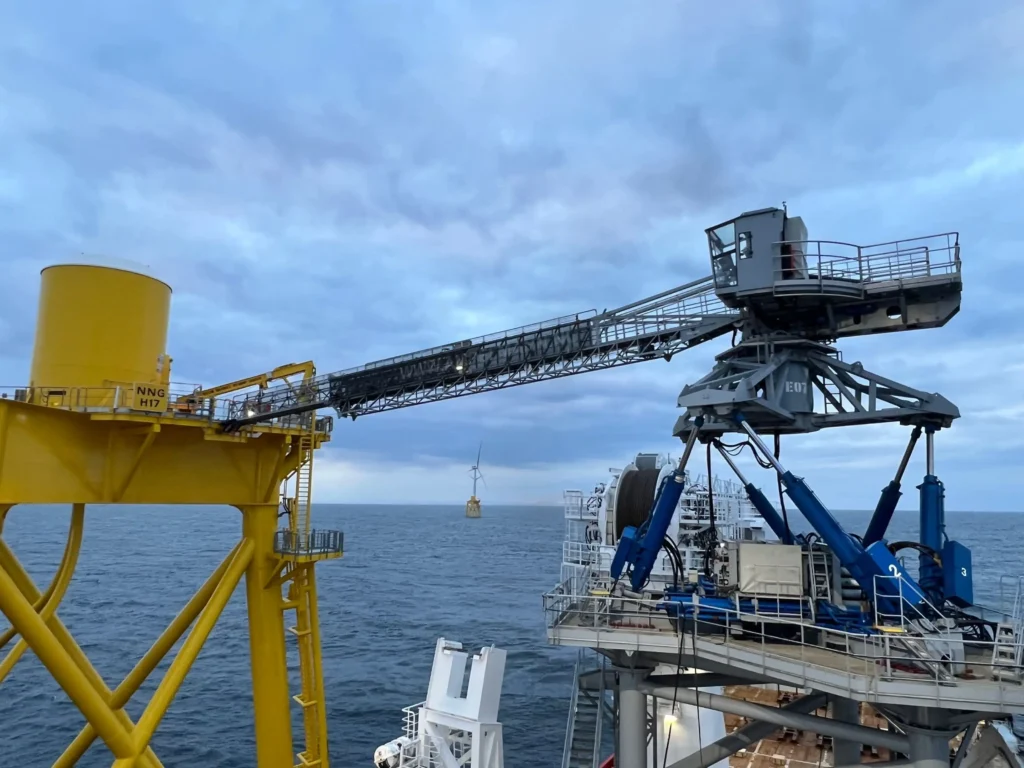
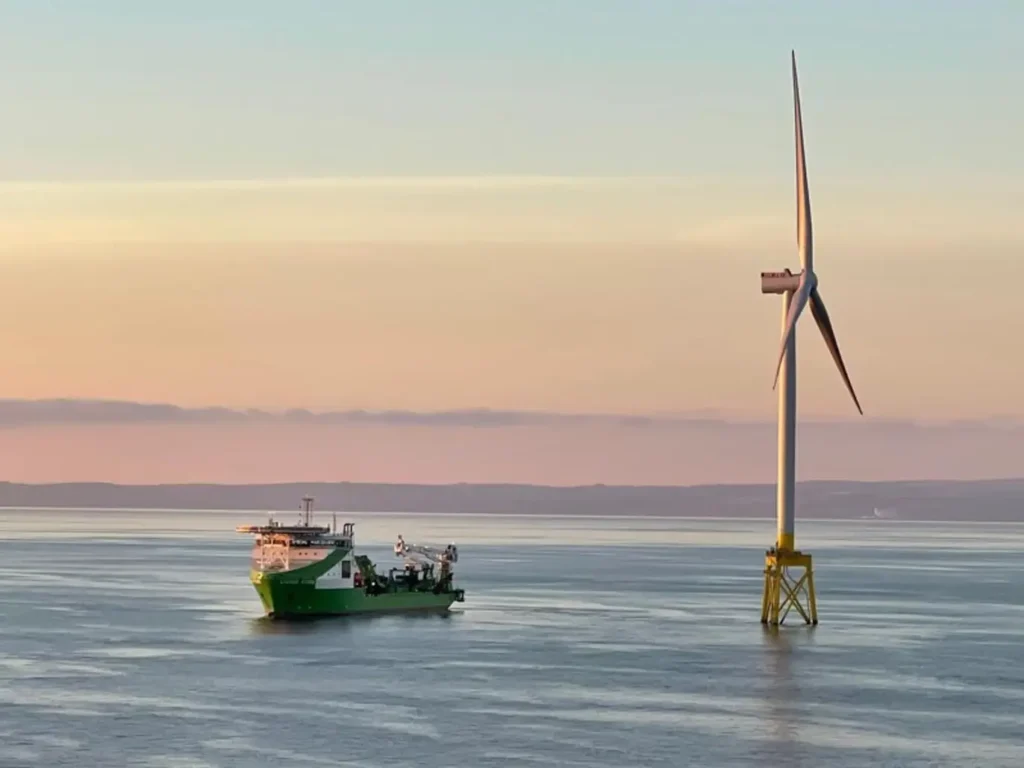
GMEC provides a comprehensive risk assessment to identify and quantify potential risks based on the project’s particular location, delivery model, and stakeholder structure. Our methodology incorporates:
Using qualitative methods and data-driven quantitative assessments, we produce actionable insights tailored to help stakeholders decide which approach is better suited to their offshore wind development.
As companies invest in larger and more complex offshore wind farms, achieving project goals with a manageable degree of risk is essential. Determining whether to use an EPCI or multi-package strategy affects everything from cash flow, engineering scope, and compliance to the project’s ability to meet grid deadlines and maximise power generation.
GMEC’s analysis equips project teams, investors, and developers with the knowledge to:
There is no one-size-fits-all answer. Each wind farm project requires a tailored approach considering location-specific factors, market conditions, and lessons learned from prior developments. GMEC’s risk-based assessment compares both models using real-world data, compliance insights, and industry benchmarks to help you make the right decision.
Whether your project is in early development or moving toward construction, GMEC can support your evaluation of EPCI contracts and multi-package models with strategic, data-led risk assessments. Contact us today to explore how we can help you reduce risk and improve delivery performance in your offshore wind project.
© 2026 GMEC – All Rights Reserved. | Website By Outrank